Prenatal care plays a vital role in ensuring a safe and healthy pregnancy for both mother and baby. Regular medical checkups help monitor fetal development, manage potential risks, and provide timely medical intervention when needed.
At New Life Hospital, prenatal care includes routine examinations, ultrasound screenings, laboratory tests, and personalized health guidance. Early detection of complications such as high blood pressure, gestational diabetes, or nutritional deficiencies allows doctors to act promptly. Prenatal counseling also helps mothers understand physical changes, maintain a balanced lifestyle, and prepare emotionally for childbirth.
Consistent prenatal care significantly reduces pregnancy-related risks and contributes to a smoother delivery and healthier newborn outcomes.
What Is Preventive Healthcare?
Preventive healthcare, also known as preventive medicine, focuses on the health of individuals and communities with the goal of preventing diseases, disabilities, and death. It emphasizes early intervention, regular screenings, and healthy lifestyle choices to stop health problems before they start.
Types of Preventive Care
Primary Prevention
Secondary Prevention
Tertiary Prevention
Why Preventive Healthcare Matters?
Reduces Healthcare Costs
Chronic diseases like diabetes and heart conditions are long-term and costly to manage..
Improves Quality of Life
Detecting diseases early often allows for faster treatment and improved health outcomes.
Boosts Community Health
When more people in a community engage in preventive care, public health improves.
Common Preventive Healthcare Services
Annual physical exams
Blood pressure and cholesterol checks
Cancer screenings (mammograms, colonoscopies, pap smears)
Vaccinations (flu, COVID-19, HPV)
Mental health assessments
Lifestyle counseling (nutrition, smoking cessation, weight loss)
Tips to Integrate Preventive Care Into Your Routine
Don’t wait for symptoms—see your healthcare provider annually.
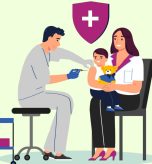
Vaccinations are a safe and effective way to prevent serious illnesses.
Eat balanced meals, exercise regularly, and manage stress effectively.
Share this with your doctor to assess your risk for hereditary conditions.
Conclusion
Preventive healthcare empowers you to take control of your well-being by focusing not just on avoiding illness, but on helping you live a healthier, more fulfilling life. It encourages you to be proactive—through regular checkups, screenings, and healthy lifestyle choices—so you can thrive at every stage of life. Start the conversation with your healthcare provider today to create a personalized preventive care plan that supports your long-term health goals.